Federal agencies are under increasing pressure to meet mission demands while managing shrinking workforces, rising retirements, and ongoing hiring delays. These challenges continue to widen the federal talent gap, making it harder for employees to keep up with growing workloads. At the same time, agencies are expected to operate more efficiently, deliver services faster, and maintain compliance across all systems and processes.
This is where digital transformation in government becomes essential. Modern digital tools, including government workforce automation and AI assistants such as Copilot, can help reduce administrative burden, streamline workflows, and create a more sustainable work environment. These technologies don’t replace employees. These tools support employees by improving job satisfaction and strengthening efforts for both recruitment and retention.
With secure, incremental adoption, digital tools can help agencies do more with less while building a workforce better equipped for today’s mission demands.
What Is the Federal Talent Gap and Why Does It Matter?
The federal talent gap is the growing shortage of skilled workers caused by retirements, slow hiring, and challenges in attracting new talent. As employees are asked to do more with less, mission delivery slows and burnout increases, making it even harder for agencies to keep pace. Digital tools can help relieve this pressure by streamlining work and stabilizing workforce capacity.
A significant portion of the federal workforce is nearing retirement age, creating a widening experience and skills deficit. At the same time, agencies struggle to recruit younger professionals, who often seek faster hiring processes, modern technology, and clearer development opportunities. Combined with lengthening mission demands, these factors create a compounding strain on existing staff.
High workloads and manual processes intensify burnout, which directly impacts government employee retention. Employees overwhelmed by repetitive administrative tasks are more likely to disengage or leave, exacerbating the talent gap further. These conditions make it clear why adopting digital tools in government is no longer optional. Solutions such as automation and AI assistance can reduce routine work, improve operational efficiency, and create a more supportive environment for both new and existing employees.
How Can Automation and Copilot Make Government Work More Sustainable?
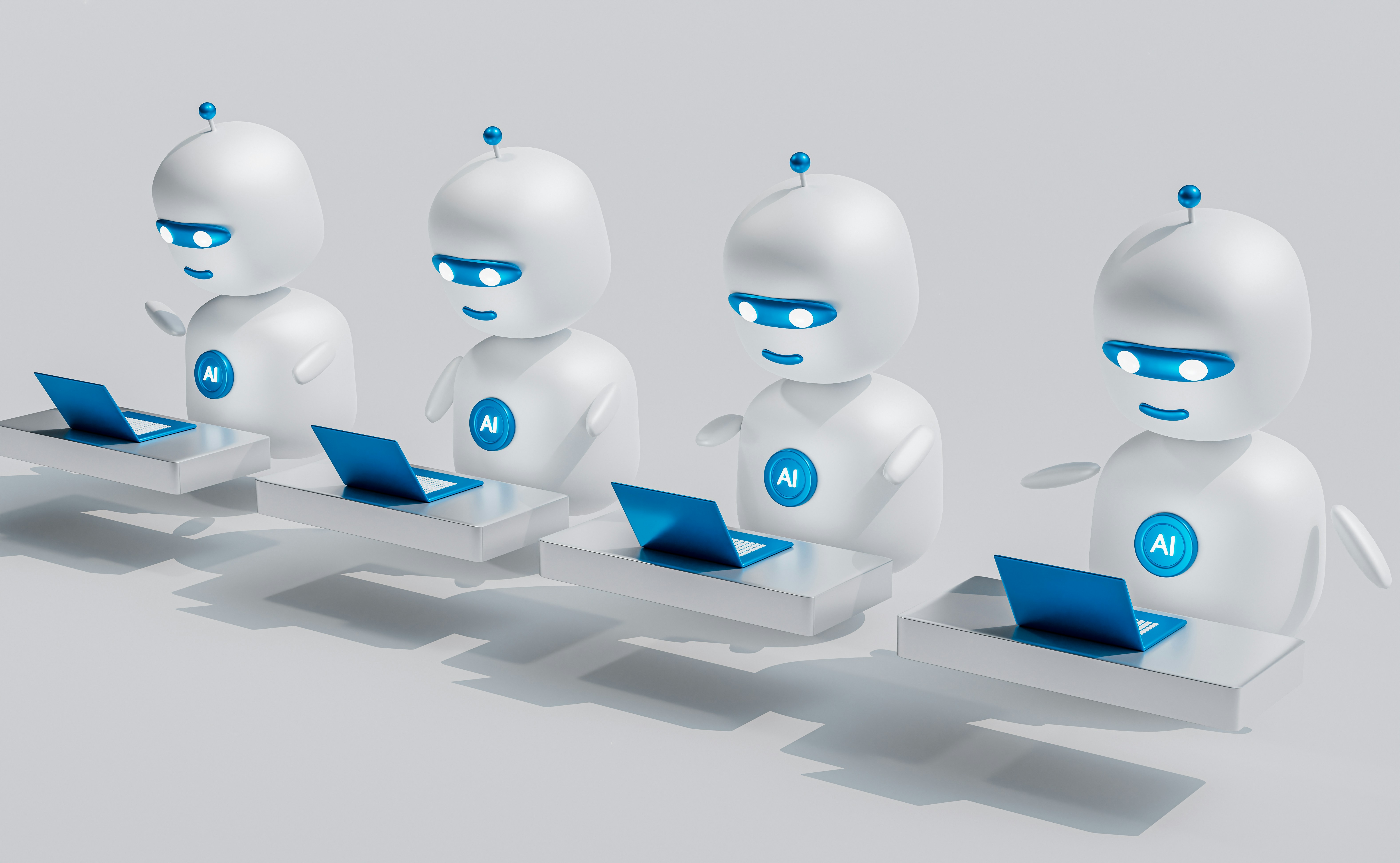
Automation and AI assistants, such as Copilot, in government help federal employees manage rising workloads by handling routine processes, supporting documentation, and providing real-time analysis. These tools reduce staff burden, which allows them to focus on higher-value mission work and improves overall job satisfaction.
Many of the tasks that consume federal employees’ time—data entry, form preparation, status tracking, email drafting, and initial research—are ideal candidates for government workforce automation. Copilot can streamline activities such as summarizing reports, generating first-draft documents, analyzing datasets, or guiding users through complex procedures. Rather than replacing human judgment, these tools enhance it by delivering faster insights and reducing manual effort.
This support is particularly valuable in environments facing resource constraints. When employees spend less time on repetitive work, they gain more capacity for mission-critical responsibilities, making day-to-day operations more sustainable. Modern tools also meet federal security and compliance expectations, allowing agencies to adopt them incrementally and safely.
Why Is Investing in Digital Tools Ideal for Attracting and Retaining Talent?
Modern digital tools in government help make federal roles more appealing by reducing burnout, improving efficiency, and creating a work experience that matches what today’s workforce expects. When employees have technology that supports—not hinders—their work, agencies become more competitive in both recruiting and retention.
Younger workers often consider the tools companies provide when deciding whether to work for them. If agencies still use outdated systems or rely too heavily on manual processes, it can be even harder for them to find new employees, especially those accustomed to working in modern, automated environments. Agencies can demonstrate their commitment to innovation and efficiency by adopting solutions such as AI support and government workforce automation.
These tools also strengthen day-to-day work for existing employees. By simplifying complex workflows, supporting hybrid work, and improving productivity, digital modernization reduces friction that contributes to turnover. When staff feel equipped to succeed, government employee retention improves, helping agencies maintain continuity, reduce hiring costs, and sustain mission performance.
What Are the Best Practices for Implementing Automation in Federal Agencies?
Effective adoption of digital transformation in government starts with assessing current workflows to identify where automation or AI support will create the greatest impact. Focusing on high-volume, repetitive tasks allows agencies to realize quick wins while maintaining compliance, building trust, and easing employees into new ways of working.
High-value starting points often include data entry, document generation, status updates, or routine approvals—processes that benefit immediately from government workforce automation. Governments can deploy tools like Copilot responsibly and align with federal security expectations by establishing clear governance and risk-management practices.
Successful rollouts also depend on strong stakeholder engagement. Training, user feedback, and transparent communication help employees understand how these tools support their work rather than replace it. Phased implementation gives teams time to adapt, reduces disruption, and allows agencies to refine their approach as they scale modernization efforts.
How Can Agencies Measure the Impact of Digital Tools on Workforce Productivity?
Agencies can evaluate the effectiveness of digital tools in government by tracking time savings, workflow improvements, and employee satisfaction. These metrics reveal how automation and AI support reduce administrative burden and help teams focus on mission-critical work—key indicators of successful modernization.
Quantitative measures often include reductions in processing time, fewer manual errors, or faster completion of routine tasks after adopting government workforce automation or tools like Copilot. Qualitative indicators—such as improved morale, clearer workflows, and greater confidence in daily tasks—provide important context that numbers alone cannot capture.
Dashboards, automated reporting, and simple before-and-after comparisons help agencies illustrate return on investment and build support for further adoption. Communicating these results to leadership reinforces the value of modernization and encourages continued investment in tools that strengthen the workforce and support long-term mission delivery.
Frequently Asked Questions
What Is Causing the Federal Talent Gap?
The federal talent gap stems from rising retirements, lengthy hiring timelines, and challenges attracting candidates with modern technical skills. As workloads grow faster than staffing levels, agencies struggle to maintain mission readiness.
How Can Automation Reduce Employee Workload in Government?
Automation handles repetitive, time-consuming tasks—such as data entry, document drafts, and routine updates—so employees can focus on higher-value mission work. This reduces burnout and improves overall efficiency.
Is AI Safe to Use in Federal Agencies?
Yes. Tools like Copilot in government can be deployed in secure, compliant environments that meet federal requirements. Agencies can adopt these tools incrementally with appropriate governance and risk controls.
Can Digital Tools Help Retain Government Employees?
Absolutely. When staff have modern technology that streamlines work and reduces frustration, job satisfaction improves. This makes agencies more competitive in retaining skilled employees.
How Do Agencies Start Implementing Copilot and Automation?
Begin with a workflow assessment, identify high-impact opportunities, and introduce tools in phased steps. Strong training, governance, and stakeholder support ensure smoother adoption.
Take Action: Strengthen Your Workforce With Digital Transformation
Adopting digital transformation in government is a practical, achievable way for agencies to ease workloads, improve employee experience, and begin closing the federal talent gap. By integrating digital tools, government workforce automation, and AI assistance like Copilot, agencies create an environment where employees can focus on meaningful mission tasks rather than repetitive processes.
Modernization also strengthens both recruiting and retention. When employees have tools that streamline work and reduce friction, productivity increases and burnout declines, making agencies more competitive in a tight labor market.
DSI helps federal organizations take these steps confidently. With expertise in safe, compliant updates, DSI helps agencies gradually adopt new technologies, automate tasks, and integrate responsible AI to ensure each change improves their ability to achieve their goals.
Start small, measure impact, and scale to transform your workforce sustainably.
Learn how your agency can implement digital tools like Copilot to reduce workloads and attract top talent. Schedule a consultation today.